

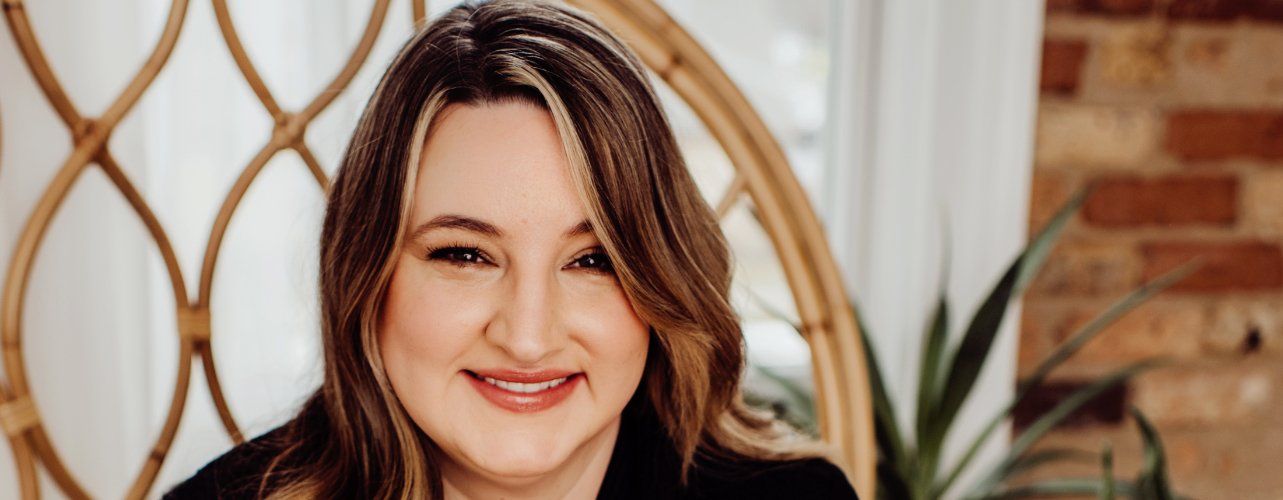
Food allergy therapist Tamara Hubbard, MA, LCPC, discusses food allergy anxiety — what it is, how it can circumscribe your life, how it can block you from parenting the way you want to parent. Read and learn details about her new book, May Contain Anxiety, an excellent resource to help you find your way through the fear and overwhelm of parenting allergic kids, especially when newly diagnosed or when facing big life transitions.
My son was three when I gave him his first peanut butter sandwich. I figured he’d soon be in preschool and should have at least tried one before going to school.
It did not go well.
A few bites in and he had a sneezing fit, then itchy eyes and congestion. Though we didn’t have food allergies in the family, I realized it was an allergic reaction as I watched the swift progression of out-of-the blue symptoms. I knew just enough to reach for antihistamines from our medicine cabinet. While I was on the phone in a panic with his pediatrician, he vomited violently. But by the time I hung up his symptoms had calmed down, so I observed him closely instead of heading to the ER. Thankfully there were no further surprises.
A week later, I got the call that changed everything.
Testing confirmed peanut allergy and suspected allergy to some tree nuts. I was in disbelief. And just like that, I was no longer a relaxed parent – I was a parent on high alert, constantly assessing threats to my son’s safety. I’d joined the club that no one wants to join — the food allergy parenting club.
Even though I’m a licensed therapist with over 20 years of experience in counseling, from marriage and family therapy, to teen substance abuse and community health counseling, I felt incredibly overwhelmed and anxious trying to find my way through parenting a child with food allergies. And at times of big life changes, like the transition to college I’m starting to navigate with my son, I still feel anxious.
While everything I do, from counseling, writing, speaking, and educating is evidence-based and clinically founded, parenting a child with food allergies 24:7 informs my work and helps me connect with the food allergy families I help from a place of empathy.
But let’s start at the beginning…
What is food allergy anxiety?
Feeling anxious is a normal part of life. New situations, deadlines, worry about a loved one, and uncertainty can all cause anxious feelings. The anxiety and overwhelm parents feel when their child is diagnosed with food allergies is very real and is tied to fear of:
- Having an allergic reaction.
- Having to use epinephrine.
- Surprise allergen encounters.
- Not being able to protect your child from harm.
Anxiety and overwhelm not only can affect parents and caregivers, but extended family, friends, and the person with food allergies, too. Food allergy anxiety and overwhelm is different from generalized anxiety, though it can evolve into more generalized anxiety.
While the statistics on anaphylaxis as a cause of death might be low the fear of becoming that statistic constantly loops in your head, making the risk seem much bigger than it really is. Fear of your child dying from anaphylaxis can haunt your waking hours and keep you awake at night. Nobody wants to be that statistic.
Food allergy anxiety also bubbles up from the countless safety decisions you need to make, day-in and day-out, as you navigate allergic life:
Will I recognize the symptoms of an allergic reaction? Fast enough?
Will epinephrine stop it? What if I make a mistake giving the epi? Will one epi dose be enough?
Will the school/his teacher be able to keep him safe? Will they follow our 504 plan? Can I trust them?
Is the manufacturer’s label complete and accurate? Can I trust it?
Will the babysitter follow our food allergy rules? Recognize symptoms of a reaction? Follow our anaphylaxis action plan to the letter?
…and the list goes on
We could keep our kids home in a bubble and lower food allergy risk to almost zero, but there is still risk in everything.
What is safe? What is safe enough? What is just not safe?
Certainty is rarely a given.
Evaluating food allergy risks
The initial food allergy diagnosis is overwhelming. You get information from the allergist to help you begin to live with the diagnosis. You’re told to avoid-avoid-avoid allergens. You walk out of the appointment with an epinephrine prescription in hand.
Then you get into actually living with the food allergy.
It can be complex.
Safety decisions are usually not all or nothing. Especially when anxious, you might not be able to differentiate between ‘safe enough to try’ and ‘totally unsafe’ because at times, your anxious mind holds you hostage to your lived experiences.
Part of our brain is wired to help us learn from situations that cause fear. When we experience dangerous events, we remember details with crystal clarity so we can avoid similar situations in the future. This wiring causes us to think of risk in terms of ‘all or nothing’.
As such, you should explore allergy risks with your allergist who will be able to help you learn how to evaluate the actual risks versus assuming things are riskier than they really are. For example, your allergist can give you insights on risk levels, beyond actually eating an allergen, for non-ingestion exposures like touching surfaces, being next to your allergens, or being kissed on the cheek by someone who just ate one of your allergens.
Your anxious mind might convince you that you or your child will experience anaphylaxis in these instances. But rather than assume that based on anxious thoughts and/or others’ experiences, have that important conversation with your allergist so you can learn how to accurately gauge the safety risks.
This is a really important step in finding a workable balance between staying safe and seeking fun and rewarding experiences.
My book
Parenting from a place of fear and anxiety can affect a child’s development, by impeding their ability to connect socially, explore the world, and build confidence and independence in age appropriate ways.
Since there’s no delete button to get rid of anxiety and the resulting thoughts that flood your mind when it’s present, you actually do need to figure out how to live with it and manage it.
My new book can help with that.
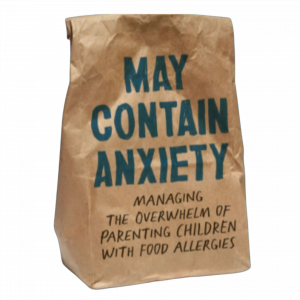
One of my goals for writing May Contain Anxiety was to unpack the triggers of parental food allergy anxiety and overwhelm, beyond just ‘we are afraid of our child having an allergic reaction and dying’.
I wanted to provide guidance on how to walk through that, how to think about it differently, and ultimately create a different relationship with the anxiety so you can parent how you want and not parent on anxiety autopilot.
My book takes you on a journey to explore your food allergy parenting style, from your food allergy parenting beliefs and values, to internal narratives that could limit your family’s life, to common ‘parenting traps’ that could make you feel stuck and magnify the anxious feelings.
Are you so focused on keeping your child safe that you’ve given up on exploring the world, enjoying restaurants, or spending holidays with relatives?
Are you avoiding situations more than their riskiness would require?
Are you feeling burned out, yet finding it hard to share food allergy responsibilities with your spouse or allow your child to shoulder some age appropriate responsibilities?
Are you always looking over your shoulder and comparing how you’re parenting versus how other food allergy families are parenting and feeling ‘less than’?
May Contain Anxiety offers tools grounded in Acceptance and Commitment Therapy (ACT) that can help you develop psychological flexibility, that is, the ability to surf the waves of life, whether big or small, by paying attention to what you’re experiencing and moving forward towards what matters most to you.
When food allergy anxiety shows up, it’s easy to just hyper-focus on the challenges and live in that anxious, scared space. We need strategies to ground us and help us maintain a balanced perspective, like staying in the present moment and staying connected to the many things in life that matter to us and give our life meaning and color…beyond just safety.
My book gives you tools and techniques for mindfully calming anxious thoughts in a self-aware way, prioritizing family values beyond just staying safe, and considering more flexible outcomes when making parenting choices. It assists you in creating an action plan to befriend your anxiety so it helps you rather than blocks you from living freely and fully.
My hope is that as you parent a child with food allergies, you are not trapped in an ‘all or nothing’ space defined by fear. My hope is to help you find a comfortable middle ground between thinking and acting flexibly and the rigidity anxiety can impose on your life.
By learning how to evaluate risks, shifting your internal narratives, and embracing a more flexible mindset, you can build a life that is not just safe, but full of confidence, friendships, independence, and joy for yourself, your child, and your whole family.
“Go confidently in the direction of your dreams. Live the life you have imagined.”
–Henry David Thoreau
Tamara Hubbard, MA, LCPC, started writing about the social and emotional impacts of allergic life when her son was diagnosed with life threatening food allergies and she could not find resources to guide her on her own food allergy parenting journey.
When she launched her website in 2018, The Food Allergy Counselor, she was flooded with requests for counseling help from families across the country and was inspired to create The Food Allergy Counselor Directory to help families locate licensed food allergy-informed therapists in their own states because licensing regulations restricted where she could practice.
Her website shares ways you can work with her, from counseling services to collaborations, plus offers downloadable resources to help food allergy families proactively cope with the anxieties and fears of allergic life, from the day-to-day, to oral food challenges, and post-anaphylaxis.
Order your copy of May Contain Anxiety and get started on creating your action plan to manage anxiety with your own ‘just right’ approach to food allergy parenting.
Connect with Tamara at her website.
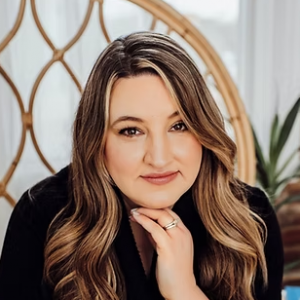 |
Tamara Hubbard, MA, LCPC, is a leading expert in food allergy anxiety and parenting with 20+ years of experience. She counsels food allergy families and helps them figure out how to live freely and fully. |
| About the Author: A nurturer by nature, Tamara trained as a marriage and family therapist and when she finished her degree, she was going to save the world, one relationship at a time. Married 20+ years with two children, laughter (and a fondness for reality TV) is in her DNA. She’s also a food allergy mom and now counsels and creates mental health resources for food allergy families. Tamara is an active member of AAAAI and ACAAI, a frequent speaker on podcasts and at national conferences, and her insights have been featured in Healthline, Medscape, NPR, and Healio. (@foodallergycounselor on social) | |
Credits: The Food Allergy Counselor